Tampilkan postingan dengan label biomass ash. Tampilkan semua postingan

Sabtu, 15 Desember 2012

"Carbon Farming" for Palm Oil Plantation Part 4: Misperceptions Between Biochar and Ash


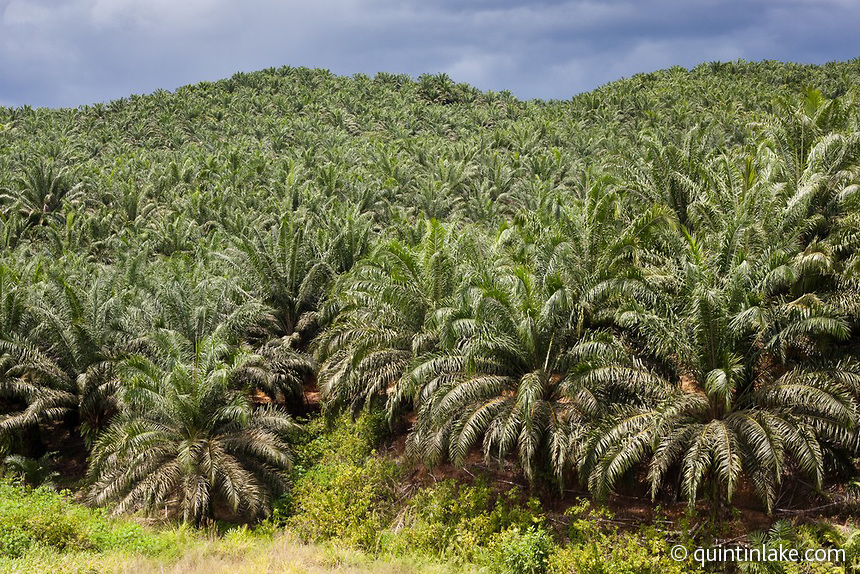
photo is taken from here

Because biochar application to palm oil plantations are new, many of those who do not know and tend to equalize between biochar and ash as fertilizer for palm oil plantations. Though both are clearly very different. Judging from the occurrence of the biochar and the ash is very different. Biochar produced from pyrolysis process while the ash generated from the direct combustion (incinerator) or gasification.

Judging from biochar also many different functions of the ashes just as low quality mineral fertilizers, because biochar could be a home of microbes that will increase the soil fertility. Here are some of the reasons for the agricultural use of biochar:
-Reducing requirements for other inputs, such as conventional fertilizer
-Absorption of carbon from the atmosphere to reduce the concentration of greenhouse gases in the atmosphere
-Increase yield by overcoming obstacles to growth (eg, poor soil structure, low pH, etc.)
-Improve the quality of plant growth by overcoming obstacles (eg, poor nutrient absorption resulting in low protein content)
-Remediation of contaminated soil
-Improve the physical or aesthetic properties of the soil or growing media (for example, make it dark, lowering the density of pores or give to the soil and so on)
Biochar production process with continuous slow pyrolysis technology is also very environmentally friendly because the emission gas well below the permitted threshold. While the direct burning incinerator technology has not allowed for reasons of emission gas and ash byproduct of low economic value.

Selasa, 03 Juli 2012

Biomass Ash Behaviour in Pyrolysis Process


In most pyrolysis systems, the operating temperatures are fairly modest. It is commonly found at laboratory and rig scale that the inherent mineral material in biomass tends to be retained within char, and is not released into gas or vapour phase in sufficient quantities to cause ash deposition or other operational problems within the reactor or in the gas collection equipment.

Very little work has been carried out on the distribution and stability of heavy metals in biochar. High mineral-ash biochars (especially chicken manure biochar and activated carbon) are known to adsorb heavy metals.

Very little has been published on the distribution of mineral ash within different type of biochar. Of the inorganic elements that comprise mineral ash, most are believed to occur as discrete phases separate from the carbonaceous matrix. In some biochars, however, K and Ca are distributed throughout the matrix where they may form phenoxides (K, Ca) or simply be intercalated between grapheme sheets (K).

Minerals found in biochars include sylvite (KCl), quartz (SiO2), amorphous silica, calcite (CaCO3), hydroxyapatite (Ca10(PO4)6(OH)2), and other minor phases such as Ca phosphates, anhydrite (CaSO4), various nitrates, and oxides and hydroxides of Ca, Mg, alumunium (Al), titanium (Ti), Mn, zinc (Zn) or Fe. Amorphous silica is of particular interest as it typically is in the form of phytoliths that contain and protect plant C from degradation. Crystalline silica is also of interest because it has been found in some biochars where it poses a very high level respiratory risk. Microprobe analysis of these biochars indicates that there is a large variation of mineral content even within each particle.