Tampilkan postingan dengan label biomass pyrolysis. Tampilkan semua postingan

Sabtu, 04 Desember 2021

Integration of Pyrolysis with Cocopeat and Cocofiber Industries

The high demand for cocofiber and cocopeat in the world which reaches thousands of containers per year should be a golden opportunity and a driving force for the Indonesian coconut industry. There are a number of potential advantages of Indonesia which should be at the forefront of capturing and exploiting these opportunities. These advantages include, from 196 countries in the world, only 8 countries control 90% of the world's coconut demand, Indonesia as the owner of the largest coconut plantation in the world, which is around 3.8 million hectares with a production of more than 15 billion coconuts fruit every year, and strategic geographical position. This is also the reason why the ICC (International Coconut Community) or an international organization concerned that the members of which are coconut producing countries is headquartered in Jakarta, Indonesia. The island of Sumatra is the center of the largest coconut plantation in Indonesia, especially Indragiri Hilir regency in Riau province, followed by the islands of Sulawesi, Java, Maluku and Papua, Nusa Tenggara and Bali, and Kalimantan. The current condition, although with a number of advantages above and the quality of Indonesian coconut coir is high and the price of this coir is cheap, it turns out that Indonesia still supplies less than 5% of the world's cocofiber and cocopeat needs.

To seize these opportunities, of course, one cannot only rely on the potentials, but also on effective and efficient production technology. One of the main obstacles in increasing cocofiber and cocopeat production capacity is the drying aspect. The production of cocofiber and cocopeat can be boosted in such a way if the efficient drying aspect can be carried out. And for drying, heat energy is absolutely necessary. This heat energy can be obtained cheaply from the excess energy of the pyrolysis process. In addition to producing the main product in the form of biochar, excess energy from the pyrolysis process can be relied on as an energy source or heat source for the coconut coir processing industry. A certain type of dryer according to the characteristics of the material being dried must also be used. With modern dryers such as belt dryers, tray dryers and drum dryers, in addition to the high drying capacity, the product quality will also be standard and stable.

Meanwhile, for the pyrolysis process, raw materials are needed in the form of biomass wastes that are widely available in that location, even the biomass waste can vary according to its availability which sometimes depends on the season. In certain cases, it is also possible for pyrolysis to be integrated with an integrated coconut industry, so that coconut shell becomes the raw material. Meanwhile, if the location of the coconut plantation is not far from the palm oil plantation, biomass wastes from the plantation or palm oil mill can be used for the pyrolysis. Even like the palm oil trunk, if it is not used and only left to rot in the plantation, it invites insects that disturb the coconut plantation. For more details, you can read it here. The integration of the pyrolysis industry and coconut coir processing in addition to reducing environmental pollution due to biomass waste is also a solution for the coconut coir industry. The relationship between the two industries must be mutually beneficial, namely the pyrolysis industry can sell its excess energy at a competitive price and the coconut coir industry can increase its production.

Sabtu, 20 November 2021

The Urgency of Biochar Application on Palm Oil Plantations in Indonesia

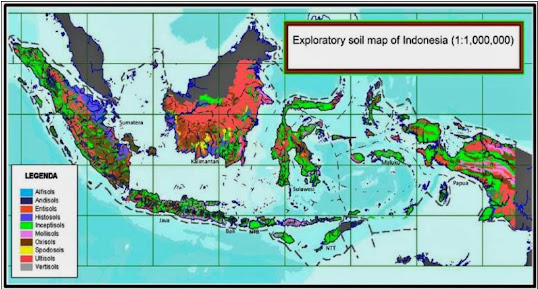
The large number of acidic soils in Indonesia that are used for palm oil plantations makes the productivity of palm oil fruit or the resulting FFB (fresh fruit bunch) not optimal. The acid soil covers the largest dryland area in Indonesia. It occupies approximately 55% of the total land area (191.09 million ha) in Indonesia. About 107.36 million ha of all Indonesian acid soils is classified as dryland acid soils and the rest (14.93 million ha) as peat soil. Acid soils in Indonesia are distributed amongst the big islands, such as Kalimantan (39.42%), Sumatera (28.81%), Papua (18.03%), Java (7.77%), and Sulawesi (6.95%). Acidic soils with low pH make nutrient absorption low in plants and so do soil microbial activity, which plays a large role in soil fertility. This condition should not be ignored because besides making the cultivation of palm oil plantations not optimal, there will also be a lot of fertilizer used. This makes the operational costs of  palm oil plantation operation high. Biochar is a biomass pyrolysis product that is effective and efficient in overcoming these problems. With the abundant amount of biomass waste produced by palm oil mills or CPO mills as biochar raw materials, efforts to improve the quality of plantation soil should be easy to do and have even become the operational standard for these plantations. But the fact is not.


Why hasn't biochar been used to improve soil quality and thus increase the production of palm oil fruit or FFB? The lack of information and education about the benefits and uses of biochar are the main factor. This of course makes the application of biochar in palm oil plantations not yet done even though palm oil mills have abundant biomass waste such as empty palm fruit bunches (EFB) and fiber which are generally not used and cause environmental problems. The priority for processing EFB compared to other products such as EFB pellets or compost also needs separate considerations. The best choice, of course, is based on a comprehensive study according to the characteristics of the business or business will be built. Consider not only short-term economic benefits, but also environmental and long-term benefits is an important thing. 


Quantitatively, an increase in the production of palm oil fruit or FFB, an increase of at least 20% with the application of biochar is something that is normal. And a 20% increase in fruit production will also result in a big profit. Productivity of a number of other agricultural commodities can be increased by 30%, 40% or even more than 100%. The low productivity of palm oil fruit in Indonesia can be increased by the application of biochar, which is particularly effective in improving the soil quality in the palm oil plantations. Moreover, about 80% of the components of the cost of producing crude palm oil (CPO) come from the plantations, and 20% in the processing sector (palm oil mills). The operational costs of palm oil mill plantations, especially fertilizers, can also be reduced by the use of biochar. The priority of liquid biofuel development will also get better if the volume of biofuel raw materials such as CPO increases. This shows the strategic role of biochar. Apart from that from the aspect of climate change, biochar will also absorb CO2 concentrations in the atmosphere or reduce the concentration of greenhouse gases, as a solution to today's world problems.  


Meanwhile, from the side of the palm oil mill, another advantage obtained from biochar production is the use of excess energy from the pyrolysis process or the production of biochar as an energy source for the boiler. Boiler feed water (BFW) will also be preheated twice when it is used for cooling in the pyrolysis condenser and then the economizer on the boiler. In this way, the energy needed by the boiler decreases. When the boiler energy source uses the energy source from pyrolysis, this means that the palm kernel shell (PKS) can be taken and used for other things and can even be sold directly for local and export markets. The main obstacle to business development in the palm oil industry is the availability of energy source namely electricity. If the energy source is available, the development of palm oil-based businesses is very open and varied, such as the production of CPO derivatives, palm kernel shell processing, PKO production, PKO derivative production, biomass power plants and so on.  

Kamis, 18 November 2021

Production of Electricity and Biochar from Pineapple Plantation Waste

Besides being able to be processed into briquettes or in more detail, read here, pineapple plantation waste can also be used for electricity and biochar production. The use of biochar on pineapple plantation land will increase fertility and improve soil quality so that it will also increase the productivity of the pineapple fruit. The use of biochar on dry land such as pineapple plantations will be more effective so that the benefits will be even more real. Biochar that can last up to hundreds of years in the soil will provide long-term benefits for pineapple plantation owners. The era in the future that tends towards efficient agriculture or precision agriculture will also produce less waste or even zero waste. Agricultural wastes that have been a lot of environmental problems will be reduced and processed into added value, environmentally friendly and sustainable materials such as biochar production.

In large pineapple plantations, the amount of pineapple waste produced is also large. Besides producing biochar, pyrolysis of pineapple waste will also generate electricity. Electricity as a form of energy that is easily converted to various other forms of energy is certainly very useful, especially the pineapple industry. Pineapple processing can use the electricity generated, thereby reducing or even eliminating the need for external electricity. But it is possible that if the pineapple industry needs heat more than electricity, the excess energy from pyrolysis does not need to be converted into electricity but only heat is enough and this is easier and simpler. Of course, these things also further reduce the production costs of these pineapple-based products, thus providing even greater profit.

 There are many products from the pineapple industry, including candied pineapple, pineapple jam, pineapple paste, pineapple chips, pineapple juice, pineapple juice probiotics, pineapple jelly, canned pineapple, and dried fruit. As one fruit that is quite popular throughout the world, the demand for pineapple is also increasing. With the prediction of the world's population reaching nearly 10 billion by 2050, the need for food, especially fruit, will also increase. Pineapple peels are also commonly used as animal feed, especially cattle, and cow dung is used for biogas production. The addition of biochar to cow dung for biogas will increase biogas production, more details can be read here and the sideproduct in the form of digestate which is then composted will be of better quality in the presence of biochar. Biochar makes the nutrients in compost not easy washed but is released slowly (slow release fertilizer).  

Senin, 28 Desember 2020

Water Hyacinth Pyrolysis For Electricity And Charcoal Production


Map of distribution of global water hyacinth infestation
Water hyacinth has become a global concern as the most disturbing and invasive aquatic weed. The impact of water hyacinth losses covers the environment, economy and even social conditions experienced by many countries as a result of the water hyacinth attack. Economically, the losses due to water hyacinth are also very large, reaching hundreds to thousands of millions of dollars. Pyrolysis of water hyacinth for electricity and charcoal production is one solution to overcome the water hyacinth attack. In this way, it is hoped that the growth of water hyacinth can be controlled and reduce the environmental impact significantly. This is because the speed of attack from the fast growth of water hyacinth can be balanced with the speed of the biomass requirement for the pyrolysis process that produces electricity and charcoal.


The electricity generated in addition to operate or running the pyrolysis unit can also be used for various needs of the surrounding community. Meanwhile, the charcoal produced can be used for energy and agricultural applications, or in general the motivation for charcoal (biochar) production is as shown in the scheme below. And to facilitate handling both storage, transportation and use, the charcoal can be compressed / densified into pellets or briquettes. The need for energy or fuel for the surrounding community for cooking and so on, can use the charcoal that has been compressed into the pellets or briquette. If the community previously used firewood obtained from the forest illegally, then the charcoal pellet or briquette is also a solution to the problem of forest destruction.


The use of water hyacinth as a bioenergy is the best option and is most recommended by prominent experts and researchers around the world. Pyrolysis is one way or method of bioenergy production. It is true that water hyacinth also provides environmental benefits, namely phytoremediation, but with uncontrolled development, the aspects of the losses incurred are far greater than the benefits obtained. This requires good management so as to produce optimal benefits. In a number of cases even the water hyacinth creates silting which causes the volume and discharge of water, even though the water is used for hydroelectric power plants. This causes the hydropower plant to have less water supply and disrupt its operation. So that the use of water hyacinth for electricity production with pyrolysis will again increase the supply of electricity produced and at the same time overcome the volume and discharge of water for the hydropower plant. Basically, maintaining a balance between the environment and economic aspects must be made in such a way as to become a sustainable activity so that it is in line with the bioeconomic era. Bioeconomics is defined as knowledge-based production and using biological resources or living things to produce products, processes and services in the economic sector within the framework of a sustainable economic system.

Selasa, 31 Maret 2020

Energy Independent With Pyrolysis

A community even in remote areas can be energy independent as long as there is an energy source in the area. Biomass energy sources from plants are energy sources that can be obtained almost anywhere. The plant can be planted as a source of raw materials for the production of energy needed. Heat and electricity energy is energy that mostly needed, in addition to energy or fuel for vehicles as a means of transportation. Heat energy is mainly needed for cooking while electrical energy for various purposes in life. Pyrolysis is a technology that can meet the energy needs as above. The diagram below explains the application of pyrolysis to meet these energy needs:

Charcoal is a solid fuel product from pyrolysis. Although solid fuels such as charcoal, are not as practical and easy as gas fuels, the use of charcoal for cooking fuel has many advantages including being safe because it will not explode, smokeless, odorless, has a high calorific value and is an environmentally friendly fuel. While firewood in addition to causing a lot of smoke, smell, low calorie value also interfere with health. Today there are also many countries in Africa that use charcoal for cooking fuel. To make it easier to use and store, the charcoal can be made into briquettes. While fuel for vehicles such as diesel oil and gasoline can be produced from biooil. Vehicles for transportation can operate in the presence of these fuels. The availability of petroleum in Indonesia, which is estimated to be 10 years away, needs to be anticipated and prepared from now on. The current low price of petroleum makes petroleum exports less attractive, especially for Indonesia, which is currently a net importer of petroleum.
Charcoal stoves are widely used in Africa
In the future era when electric vehicles are widely used, electricity production especially for battery charging is prioritized. The energy source for electric cars as environmentally friendly vehicles should also be from renewable energy sources, for more details, please read here. Biomass is a carbon neutral energy source so it does not increase the concentration of CO2 or greenhouse gases in the atmosphere. Woody biomass from the energy plantation is the ideal raw material for the pyrolysis feed. Multipurpose energy plantations are the best energy plantation for this, so that in addition to sustainable production, it also provides other benefits, for more details about multipurpose energy plantations can be read here. Remote areas, especially those with large lands, will have the potential to develop these energy plantations, so that an energy independent community or region can truly be formed and sustainable. Areas in surrounding the palm oil plantations can also utilize biomass waste from palm oil mills and plantations such as palm oil empty fruit bunches (EFB), fronds, etc. for the pyrolysis feed. Indonesia is the owner of the largest palm oil plantation in the world with an area of ​​around 13 million hectares and 1,000 palm oil mills. 

Kamis, 21 November 2019

Large Plantations and Large Farms

Fertilizer problems or soil fertility have always been the main topic or discussion for a large plantation business. This is very reasonable because maintaining productivity of crops can only be done by maintaining soil fertility or providing adequate fertilizer. For this reason, the budget for the supply of fertilizer is always a large portion of the plantation business. Then the condition leads to the question of how to make efficiency or save the fertilizer budget? Of course many techniques can be used for this purpose, but basically the selection or use of fertilizer that is appropriate and the effectiveness or absorption of fertilizer for plants is a key success factor in maintaining soil fertility. Let's try to answer the main question above.

When chemical fertilizers are increasingly abandoned because of their effects which damage the environment, there is no other choice but to use organic fertilizer. In large plantations such as oil palm plantations, basically there are also many biomass wastes from palm oil mills that can be used as fertilizer, such as fronds and palm oil trunks. But when these ingredients are also processed to become a particular product, and also the composting process of fibrous wood species takes a long time, the best choice is with organic manure. The question is where do you get livestock manure compost for the oil palm plantation? Actually there are more sources of organic fertilizer or compost that can be produced from palm oil mill effluent, namely from liquid waste. If the palm oil mill has an anaerobic digester, the biogas residue from the sludge can be used as organic fertilizer. At present there are not many palm oil mills that process liquid waste with the biogas unit, with the reason that the unit is considered expensive.

The history and experience of our predecessors before the use of chemical fertilizers can be used as a reference for this. At that time they were able to meet the fertilizer needs of their agricultural businesses, namely by sheep, goats, cattle and buffalo farming. The livestock manure is used for agricultural fertilizer and agricultural waste is used for animal feed. The basic pattern can also be developed for large plantations with several adjustment techniques to improve efficiency. Technical applications in the field that can be done, namely large plantations must cooperate with large farms or even ideally have a large farm to meet the needs of fertilizer for its plantations. For example, a palm oil plantation that has 10,000 hectares of plantation area, 100-200 (1-2%) hectares are used for sheep farming. The sheep breeding, not by just being caged, but grazing in the fields of pasture.
Why is sheep farming done in the pasture fields? This is because by grazing the cost of feed can be suppressed very large or the business becomes very economical. The biggest cost component of livestock business is feed. If the availability and supply of feed can be overcome then the other components become easier. The pasture is in the form of grass and shade trees. Making grass always available is the essence of the business, even it can be said that the pasture is grass farming itself. Rotational grazing is the best grazing technique at the moment. When the grass is fertilized with sheep dung during the grazing, the dirt produced when in the cage can be used for fertilizer on large plantations such as the oil palm. The biogas unit can be used to optimize the utilization of dirt from the cage.

Basically, sheep farming can also stand alone and also be profitable. Therefore, sheep farming can be done separately. In the case when an energy plantation is used for the production of wood pellets, it is still constrained by various things such as the presence and supply of electricity, so the farm business can still be run properly. The production of large-scale wood pellets in various regions in Indonesia is currently still constrained due to the electricity supply. This will certainly hamper the growth of the wood pellet industry so there needs to be another way to overcome this, which insha Allah will be discussed later.
With this concept, not only increases plantation and meat production, but also a complete closed cycle business that is environmentally friendly and sustainable. Honey bee farming can also be added for optimization because obviously the bees besides helping the pollination process will also produce honey, a superior product of high economic value. Various food problems, insha Allah, can be overcome with this concept. This is because from the production side it can be made very efficient with the 2 biggest cost components being reduced significantly by fertilizer and animal feed with the integration of large plantations and large farms.

Although it has used compost from livestock manure, there are still more techniques that can be applied to improve fertilizer efficiency by using biochar. With biochar, the fertilizer will be retained in the biochar pores so that slow release makes it effective for fertilization. In addition, biochar will also hold the fertilizer from leaching due to high rainfall, so that the use of fertilizer can also be saved significantly. Biochar will also be the home of microbes to decompose organic matter into nutrients needed for plants. So, in short, with biochar, the productivity of plantations is high, but the use of fertilizer is minimal because it is efficient, especially when fertilizer is produced from the farm itself. This biochar can be produced by processing the plantation biomass wastes by pyrolysis. For more details about pyrolysis can be read here.

Kamis, 21 Februari 2019

EFB Biochar and Fertilizer Savings in Palm Oil Plantations

High palm oil plantation productivity and high oil yield has always been a goal in the palm oil business. The nutrient estimates needed to produce 25 tons of FFB / ha / year were 192 N, 11 P, 209 K, 36 Mg, and 71 Ca in kg / ha / year. With the production of 25 tons of FFB / ha / year palm oil or CPO crude will produce around 6.5 tons (25% of FFB). Analogy in the field of animal husbandry where the feed component holds 75% of production costs or is the highest cost component, as well as fertilizer, especially in palm oil plantations. Fertilizer is the most expensive cost or 60% of total maintenance costs. To achieve this productivity, the calculation practically of the need is more or less as follows: an afdeling with an area of ​​1,000 hectares with 1 hectare consisting of 143 trees, so there are 143,000 trees of palm oil. If the dose per tree is 2.5 kg, then the fertilizer needs are 357,500 kg (357.5 tons), with the price of non-subsidized chemical fertilizers for example Rp 10,000 / kg, the cost incurred is 3,575,000,000 (Rp. 3,575 billion or US$ 238,333). If an area of ​​10,000 hectares means fertilizer needs of Rp. 35.75 billion (US$ 2,383,33), whereas if the oil palm plantation is 20,000 hectares, it will reach Rp. 71.50 billion (US$ 4,766,667). Of course an amount that is not small.
The question is what efforts can be made to reduce fertilizer costs but increase palm productivity. One contradictory thing seems to be because it reduces the supply of fertilizer but expects high productivity. This is where we need to examine and explore the facts that occur in the field. With a tropical climate and high rainfall, it makes large leached fertilizers. A condition, for example in hilly and bumpy areas, when the rain falls, the fertilizer that is washed is very large, even in vain fertilization is done because it is not absorbed by the palm trees as the target. The high level of leaching from the use of fertilizers by rainwater makes only available a small amount of available fertilizer in real terms or a number of analyzes said averaging only 50%. With the available fertilizers there are only a few that are also automatically absorbed by the palm trees. When for example washing (leaching) can be reduced by only 30%, it means that the fertilizer that is still available becomes 70%, so that the fertilizer is absorbed more and more and the productivity of the palm oil fruit also increases.
The initial stage that can be done is the cost of the same fertilizer but the productivity of the palm oil fruit can increase up to for example 30%. Furthermore, if this can be achieved, fertilizer consumption will be reduced for example up to 30% but palm oil productivity can be maintained at that level. This is possible when biochar has become a microbial colony and the quality of the soil increases so that uptake of fertilizer is maximal. Biochar is one of the media that can be used for this. An empty fruit bunch that is widely available in palm oil mills and is generally not utilized as a raw material for biochar production. A palm oil mill with a production capacity of 60 tons / hour FFB will produce EFB 13.2 tons / hour so that if the palm oil mill operates 20 hours / day the EFB produced 264 tons / day. The production of biochar with pyrolysis can also produce liquid smoke which can also be used as fertilizer.
Why can biochar be used to increase palm oil productivity and even reduce fertilizer consumption? This is because biochar with its pores with a surface area of ​​about 200 m2 / gram can hold the fertilizer from washing, maintain moisture and many soil microbes that can live in these pores thus improving the physical and chemical properties of the soil. Biochar can last up to hundreds of years in the soil so it does not need to be added every year when the amount is sufficient. Biochar implementation can be started from small scale to massive scale. To process empty fruit bunches (EFB)  in the palm oil mill into biochar, a continuous pyrolysis equiment is needed, to be more clearly read here. To monitor the effectiveness of biochar on oil palm plantations today can use internet technology or IoT (Internet of Things) and for more details can be read here and here.

Rabu, 29 Agustus 2018

Continuous Pyrolysis for Palm Oil Mills

A number of regions have been over-supplied with electricity so it is not possible to add or build new power plants. Making a new plant will only be in vain because the electricity production cannot be utilized or absorbed by the user. Based on this, electricity production in a number of areas must be limited and diversified into other products needed. These other products are products whose needs are still not met. Another thing that can be done is to increase the efficiency of a production process. When the efficiency of a production process is improved and produces the products needed, of course the business benefits increase. Besides that, when all the waste can be processed, it becomes a production unit that is zero waste and environmentally friendly.
Palm oil mills are very numerous in Indonesia and Malaysia, the number reaches more than 1000 units, while Thailand also begins to follow the planting of oil palm. At present some of the palm oil mill effluents have not been processed such as empty palm bunches, palm shells and fronds. The palm oil mill that has been operating can be increased efficiency and the production of by-products that provide additional income. This can be done by using a continuous pyrolysis unit for both electrical and heat energy sources and the production of various by-products in the form of charcoal, biooil and biomass vinegar. The three by-products can be sold or marketed and become an additional income for the palm oil mill which is quite attractive.
Conventional Energy System in Palm Oil Mill

Improved Palm Oil Mill with Continous Pyrolysis System
Palm oil mills also do not need to be bothered with the problem of waste, especially solid waste if everything can be processed and very profitable. Meanwhile, from the environmental aspect of a palm oil mill that is zero waste and environmentally friendly, it is certainly the dream of all the palm oil mill owners. The community and the surrounding environment which is not disturbed by the palm oil mill that is because of its pollution is also a condition desired by the palm oil entrepreneurs. By using the continuous pyrolysis, the air pollution generated is very minimal or far from the required threshold, so that the environment and the surrounding community can be accepted. If the palm oil mills have used continuous pyrolysis, it will also be economically attractive.
Charcoal produced also has many benefits. Technically, charcoal is a stable fuel so it is easy to store and does not decay or is eaten by termites. Charcoal can be used for energy sources directly easily, or converted to other fuels, for example converted into liquid or gas fuel. The condition of fossil fuels, especially petroleum which is increasingly depleted, demands the diversification of energy, such as Indonesia which is predicted to run out of oil in 10 years or in 2028. Likewise, biooil can be used immediately, or upgraded to better fuels, such as vehicle fuel. While biomass vinegar can be used for fertilizer, biopesticides and upgraded to biophenol and wood adhesive.

Jumat, 10 Agustus 2018

Continuous Pyrolysis Unit for Activated Carbon Production

Production of activated carbon requires charcoal as raw material. Charcoal production will be more effective and efficient by continuous pyrolysis (carbonization). In addition to the high quality charcoal produced can also produce electricity and steam production for the activation process. Of course this makes high efficiency of the production process. Whereas in terms of environmental aspects, it is also very environmentally friendly because of smoke pollution during the process of pyrolysis (carbonisation) can be minimized below the threshold. Methane emissions that are very damaging to the ozone layer also did not occur.

The process of pyrolysis (carbonization) with a temperature of around 400 C with a product in the form of charcoal can immediately proceed with activation. Activation with 700-1000 C operating conditions can be done directly by raising the temperature. If the excess syngas is used for electricity production, then biooil from pyrolysis can be used to fuel in steam production. Excess electricity can also be sold to industries or to electricity companies. Whereas if all sources of energy are used for the production of activated charcoal (activated carbon), the consumption of heating oil can be minimized and even eliminated. Activated carbon production with all the energy can be supplied by itself is certainly very interesting and economical.
The problem with traditional charcoal production is the problem of smoke pollution and the amount of energy lost. Smoke pollution can be directly identified and can be easily felt, but the problem of energy loss is usually not noticed and generally do not know. Of course this is very unfortunate, let alone energy is one component of high costs in a production process. Is there really an energy loss? And how much energy is lost? Of course we need to look in detail at the carbonization process (pyrolysis) to answer these questions.
 Conversion from raw materials to charcoal is only 20-25% in the process of traditional carbonization / pyrolysis. For example, we take a conversion of 25%, with a raw material of 10 tons of coconut shell, 2.5 tons of charcoal are produced. Coconut shell with a heating value of around 4,500 kcal / kg, meaning that 10 tons of raw material is 45,000,000 kcal. While coconut shell charcoal with a heating value of around 8,000 kcal / kg, then 2.5 tons of charcoal will have a heating value of 20,000,000 kcal / kg. Based on these calculations more than 50% of energy is lost or is only wasted, ie 25,000,000 kcal. If the conversion to charcoal is lower or 20%, the energy loss is even greater, namely 29,000,000 kcal or more than 60%. Of course it is very inefficient and should be avoided. This can also happen for carbonization of various other raw materials for activated carbon, such as palm kernel shells, wood, and so on.

Continuous pyrolysis is the best solution for charcoal production and also the production of energy that can be used for the activated carbon production process itself. The activated carbon factories that have been established can upgrade the technology especially on the side of charcoal production and energy fulfillment. The more efficient of a production will be the more economical the business. While the pyrolysis or carbonization process is also still produced by-products namely biomass vinegar (pyroligneous acid / liquid smoke) which can be used as plant fertilizer, biopesticides to raw materials for chemicals, especially biophenol and wood adhesive.

Minggu, 29 Juli 2018

Production of Biophenol, Bioformaldehyde and Wood Adhesive from Pyrolysis Liquid Products

The byproducts of biomass (slow) pyrolysis are liquid and gas products. The liquid products consist of biooil and biomass vinegar (pyroligneous acid). Biooils can be directly used as fuel with a particular burner, or can also be upgraded to the vehicle fuel. Meanwhile, if used for non-energy products, can be used for the production of green chemical or renewable chemicals such as BioFormaldehyde and wood adhesive. While the aqueous phase of pyrolysis liquid product that is biomass vinegar (pyroligneous acid) can be used for feedstock biophenol production. Previously biomass vinegar has been known for various uses such as latex coagulant, anti-termite and fertilizer. While the biophenol production process scheme of biomass vinegar as follows.

Global consumption for phenol currently reaches 20 million tons or worth 20 billion US dollars (280 trillion rupiah). Renewable phenol or biophenol can substitute phenol which has been produced based on petroleum. Excess heat and excess syngas from the pyrolysis process can be used for the production process of the biophenol as energy sources. An integrated and efficient production unit will produce highly competitive products, such as the pyrolysis process which is primarily charcoal, and from its by-products made derivative products that are desperately needed today.

Senin, 25 Desember 2017

Syngas Cleaning And Operation Time For Private/Independent Power Providers (IPP)

The continuity and stability of the electricity supply to the buyer is the most important thing for the private power provider or the Independent Power Producer (IPP). Electrical buyers in general are government through PLN or industry. To be able to provide such a continuous and stable electricity supply, IPP strives in such a way in a variety of ways including its various process engineering and also the operational. Biomass is a renewable energy source for electricity production that has many advantages especially in Indonesia, for example when wind and water (hydro) power plants are severely affected by weather conditions, the biomass power plant is not affected. Even high rainfall and tropical climate will increase the production of biomass as a source of energy. Related to the use of gas from biomass there are two routes to produce gas that is biology route and thermochemical route. The biological route is by fermentation in the digester, while the thermal route with gasification and pyrolysis. The characteristics of the raw material will determine the choice of technology, whether by biological route or thermochemical. Liquid waste or high water content and easy rot, such as livestock manure and palm oil mill effluent (POME) will use biological route, whereas biomass which is not easy to decompose such as woody biomass thermochemical route becomes the choice.

Why need to extract gas from the biomass? This is in addition to improving efficiency, also facilitate the utilization. Even by extracting the gas will also produce a number of economic value-added byproducts, for example with pyrolysis technology in addition to generating electricity, by-products such as charcoal, biooil, and biomass vinegar (liquid smoke). The economic value of these byproducts are bigger than the electricity production. The gas composition of the various biomasses also varies, depending on the biomass and the technology used, for example in biogas of large methane gas composition (55-75%), gasification of methane gas composition 0.5-3% while in pyrolysis gas composition methane 4-11%. Gas engine is a equipment or device commonly used to convert the combustible gas into electricity. Gas turbine although efficiency is higher but rarely used because of operational and maintenance factors are more difficult. Steam turbine is also rarely used and commonly used in large capacity power plants (> 20 MW). While Stirling engine and ORC (Organic Rankine Cycle) technology can also use gas from the biomass, but it is not specific because both Stirling engine and ORC only require heat for its operation and it does not have to be from gas. Practically both technologies above are using a lot of combustion to obtain the required heat.
Stirling Engine
ORC Technology
Gas Turbine
Gas Engine
The problem of purity or cleanliness of the gas that resulted in the operation of private power plants (IPP) received serious attention. The cleaner the gas and the stable the gas supply so the more stable the operation of the power plant and the opposite. The purchaser or user of electricity also requires the amount of electricity supply and tolerance to the breaking or shutting down of electricity at a certain time which must be fulfilled by the provider or private power producer. Various gas cleaning technologies have been used to obtain clean and stable gas supply to the converting equipments used. Gas cleaning technology in addition must be cheap and also easy to use so that electricity providers remain profitable. In general, the gas cleaning technology is to clean the gas from its impurities including also reduce or eliminate the gases that potentially disrupt the operation of such conversion equipments. For example CO2 and H2S gases in biogas process or tar in gasification and pyrolysis. 
Water scrubber (absorber) and stripper unit for biogas refinery
JF BioCarbon continuous pyrolysis technology is the best choice of electricity production from biomass with thermal route. This is in addition to generated electricity, also produced side products that are not less profitable, namely charcoal, biooil, and biomass vinegar. Then how about cleaning the gas so that the power supply electricity continuously? With a number of line cleaning units that work alternately, the continuity of the supply of clean gas can continue to run so also with the supply of electricity. A number of sensors are installed to ensure the cleanliness of the gas. Downtime or power outages will be reduced or even eliminated. Sufficient gas cleaning will ensure the continuous operation of the gas engine generator as a conversion unit from pyrolysis gas (chemical energy) to heat and mechanical energy (reciprocating engine in gas engine) and generate electricity. It is time for private power companies (IPP) to consider slowpyrolysis technology to continue as a wise and best choice for the production of electricity from biomass and a number of byproducts that are very profitable.