Tampilkan postingan dengan label carbon capture. Tampilkan semua postingan

Minggu, 22 Desember 2024

Maximizing the Rate of CO2 Absorption from the Atmosphere Based on Biomass

Maximizing the rate of CO2 absorption from the atmosphere is very important considering the rate of addition of CO2 concentration to the atmosphere is not comparable to the rate of CO2 absorption. This is what makes the CO2 concentration continue to increase. To balance this speed, a strategy is needed to increase the rate of CO2 absorption. The use of biomass will be very effective and provide multiple benefits for human life. 

CO2 from the atmosphere needs to be captured through biomass production through the process of photosynthesis in plants. Fast-growing species of plants that have high photosynthesis rates are needed for this. Furthermore, biomass, especially wood from fast-growing species of plants, is used as raw material for biochar. Furthermore, biochar is used to improve soil fertility (soil amendment) in various types of agricultural and forestry plants.

Biochar production with slow pyrolysis will also produce excess heat, syngas and biooil that can be used as energy sources. The benefits of biochar production will be obtained from the sale of biochar, the sale of carbon credits and the use of slow pyrolysis by-products. With conditions like this, efforts to increase the speed of CO2 absorption from the atmosphere should be increased. How fast and how much CO2 volume can be absorbed will depend on the type of fast growing species used, the area of ​​planting and the capacity of biochar production.

Jumat, 14 Desember 2012

Carbon Farming For Palm Oil Plantation Part 2

Leading plantations and agronomist are searching for better ways to manage land for higher production and healthier profit, as well as a buffer against Climate Change. Soil Health is widely recognized as the key to these benefits, and Soil Carbon is the key to Soil Health.

Carbon Farming is the land management system that is the most effective in responding to Climate Change. It can be used to build a buffer against higher temperatures and lower rain fall. It can cut input costs as it taps into the nutrient reserves and productive capacity hidden in the soil. Carbon farming is the only way to increase soil carbon which the engine room of growth in Agriculture. 
photo taken from here
Increasing soil carbon is likely to enhance the long term sustainability of farms as it plays a central role in the physical, chemical, and biological health of the soil and hence the productive capacity of arable soils. Increasing the biomass input, decreasing the decomposition rate and increasing the potential of a soil to store carbon will all act to increase soil carbon. Soils with the greatest potential to sequester carbon will be those that have suffered a  significant loss of carbon with clearing of native vegetation and have a capacity to increase biomass production or can protect added carbon from decomposition (Baldock et al 2009).


Farmers wanting to build soil carbon may be able to achieve this though maintaining and enhancing vegetation cover, maximizing vegetation growth, minimizing soil disturbance, and changing the soil texture. Activities that broad acre farmers may consider to increase soil carbon include :
·        -Converting cropping land to productive pastures and increasing the pasture phases in crop rotation
·         -Increasing practices to retain stubble
·         -Green manuring, particularly legume crops
·         -The application of soil ameliorants such as biochar, compost, or manure  (Sanderman et al 2010), and
·         -Alterations to soil texture through the addition of clay to lighter textured soils.

Photo taken from here
Palm oil industry in Indonesia & Malaysia which in operations generate a lot of waste biomass and on the other hand requires energy in the form of heat and electricity for the process of the fruits and high productivity of palm oil plants, then very potential to apply the continous slow pyrolysis technology to get energy and biocharnya to carbon farming.
photo's taken from here

Carbon farming is a different way of looking at your land. It gives you a different set of priorities, if you get it right, it can deliver everything you ever wanted to get out of farming. And more…..


Sabtu, 11 Agustus 2012

The Importance Of Standard Biochar


Biochar and charcoal are similar materials with different purposes. Charcoal, a fuel and metal reductant,is considered to be the oldest man-made material. The advantage of charcoal is that it burns with less smoke, which is advantageous when cooking indoors. In addition, charcoal burns hotter than wood, which allows it to be used for metal forming, such as in blacksmithing.

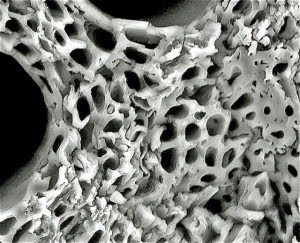
Adsorption is a pivotal property that distinguishes biochar from other carbon-rich natural products. Adsorption also distinguishes superior biochars from less effective “agricultural charcoals”. Since biochar is so new, there are no analytical methods developed specifically to measure adsorption in biochar, nor any experience base to relate adsorption to biochar impact when added to growing system. Thus,  urgently needed the standard biochars. Following paper will give analytical options for biochar adsorption and surface area, please go here.

Minggu, 08 Juli 2012

The discovery of Terra Preta Soil sites in East Kalimantan Will Accelerate the Implementation of Biochar in Indonesia


One proof will be more meaningful than a thousand promises. The recent discovery of Terra Preta soil in Malinau, East Kalimantan province make more people pay attention to biochar, which will accelerate the implementation of biochar and grow a variety of biochar industries in various regions in Indonesia and Southeast Asia.

To find out the news, please read the following article:
here and here.

Sabtu, 21 April 2012

Three Motivations For Biomass Thermal Conversion

At least, three motivating factors on biomass thermal conversion, like is mentioned below :

A.    Renewability Benefit
Fossil fuel like coal, oil and gas are good and convenient source of energy, and they meet the energy demands of society very effectively. However, there is one major problem: Fossil fuel resources are finite and not renewable.Biomass on the other hand, grows and is renewable. A crop cut this year will grow again next year; a tree cut today may grow up within a decade. Unlike fossil fuel, then, biomass is not likely to be depleted with consumption. For this reason, its use, especially for energy production, is rising fast.

We may argue against cutting trees for energy because they serve as a CO2 sink. This is true, but a tree stops absorbing CO2 after it dies. On the other hand, if left alone in the forest it can release CO2 in a forest fire or release more harmful CH4 when it decomposes in water. The use of a tree as fuel after its life provides carbon-neutral energy as well as avoids greenhouse gas release from deadwood. The best option is new planting following cutting, as is done by some pulp industries. Fast-growing plants like switch grass and Miscanthus are being considered as fuel for new energy projects. These plants have very short growing periods that can be counted in months.

B.    Enviromental Benefit
With growing evidence of global warming, the need to reduce human-made greenhouse gas emissions is being recognized. Emission of other air pollutants, such as NO2, SO2, and Hg, is no longer acceptable, as it was in the  past. In elementary schools and in corporate boardrooms, the environment is a major issue, and it has been major driver for biomass thermal conversion such as pyrolysis for energy production. Biomass has a special appeal in this regard, as it makes no net contribution to carbondioxide emission to the atmosphere.

Regulations for making biomass economically viable are in the place in many countries. For example, if biomass replace fossil fuel in a plant, that plant earns credit for CO2 reduction equivalent to what the fossil fuel was emitting. This credits can be sold on the market for additional revenue in countries where such trades are in practice.

Carbon Dioxide Emissions
When burned, biomass release the CO2 it absorbed from the atmosphere in the recent past, not millions of years ago, as with fossil fuel. The net addition of CO2 to the atmosphere through biomass combustion is thus considered to be zero.

Sulfur Removal
Most virgin or fresh biomass contains little to no sulfur. Biomass-derived feedstock such as municipal solid waste (MSW) or sewage sludge does contain sulfur, which requires limestone for capture of it. Interestingly, such derived feedstock also contains small amounts of calcium, which intrinsically aids sulfur capture.

Nitrogen Removal
A combustion system firing fossil fuel can oxidize the nitrogen in fuel and in air into NO, the acid rain precursor, or into N2O, a greenhouse gas. Both are difficult to remove. In a pyrolysis system, nitrogen appears as either N2 or NH3, which is removed relatively easily in the syngas-cleaning stage.
Nitrous oxide emission results from the oxidation of fuel nitrogen alone. Measurement in a biomass combustion system showed a very low level of N2O emission (Van Loo and Koppejan, 2008, p.295)

Dust and Other Hazardous Gases
 Highly toxic pollutants like dioxin and furan, which can be released in a combustion system, are not likely to form in an oxygen-absenced pyrolyzer. Particulate in the syngas is also reduced significantly by multiple gas clean up systems.

C.    Sociopolitical Benefit

The sociopolitical benefits of biomass are substantial. For one, biomass is locally grown resource. For one, biomass is a locally grown resource. For a biomass-based power plant to be economically viable, the biomass needs to come from within a certain distance from it.  This means that every biomass plant can prompt the development of associated industries for biomass growing, collecting, and transporting.
Some believe that a biomass fuel plant could create up to 20 times more employment than that created by a coal-or oil-based plant (Van Loo and Koppejan, 2008, p.1).  The biomass industry thus has a positive impact on the local economy.

Another very important aspect of biomass-based energy, fuel, or chemicals is that they reduce reliance on imported fossil fuels. The volatile global political landscape has shown that supply and price can change dramatically within a short time, with a sharp rise in the price of feedstock. Locally grown biomass is relatively free from such uncertainties.

Selasa, 27 Desember 2011

We Will Produce Charcoal As You Wish


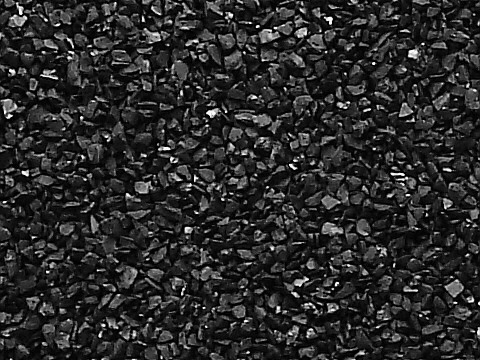
Charcoal has widespread uses include metallurgy, tobbaco curing, water purification (activated carbon), poultry and animal feeds, soil Amendment, and other miscellaneous uses. Charcoal is made by a certain process conditions to achieve the specifications according to their usefulness.

The amounts of moisture (2 to 4 percent), volatiles (18 to 23 percent), ash (1 to 4 percent), and fixed carbon (74 to 81 percent) in charcoal provide an average index of quality for general market acceptance either in lump or briquette form. Charcoal with relatively low volatile content and correspondingly higher amounts of fixed carbon is desirable for specialized industrial uses. Temperatures somewhat higher than the normal kiln operating temperatures of 850° to 950° F (454°  to 510° C) are required to produce it. The volatiles, when present in proportions greater than about 24 percent, will cause smoking when charcoal is burned and will give product degrade in some areas of recreational use.
 
In a continuous process raw organic material of any kind is passed through the retorts and cooked into marketable products. While some of the biogas is used to fuel its own process, on site gas turbines or steam boilers can be fueled by the same gas. Variable speed drives give the operator total control on product quality by altering the residence time of the feed stock. The operator can also vary the percentage split between the bio-oil and charcoal by changing the temperature.
 
Chemical properties can be precisely determined only with analytical equipment. A rough quality test for volatiles can be made, however, by burning samples of charcoal and observing the absence or extent of smoking. A metallic ring when a piece of charcoal is dropped onto a hard surface provides a further rough test for good quality. Too rapid coaling at high temperature usually results in the formation of crumbly charcoal easily broken into small pieces and fines. The species of wood does not influence the chemical quality of charcoal; the physical properties, however, are influenced by wood density and structure. For example, the low-density woods produce charcoal in greater bulk, while some woods will produce brittle charcoal. In general, the lump charcoal obtained from the medium-dense to dense hardwoods is considered a cleaner product because of less breakage and dusting with handling.

Rabu, 28 September 2011

Stop Burning Forest: Convert Biomass Waste Into Energy and Biochar


The tradition of open land for agriculture and plantations by burning the forest is a tradition of environmental and health damage, so it should be promptly discontinued. The smoke produced is also disrupting transportation. In addition to strict regulations that also use technology that can provide maximum benefit, need to be sought and applied. Or by economic review, how the problem is to bring profitable opportunities. Biomass waste generated from clearing land can be utilized for the production of biochar and energy.

CHP engine would be very beneficial to the environment, given the state of Indonesia which some still lack power (only about 60% area get electricity). A JFE pyrolysis unit with a capacity of 200 tons / day INPUT will produce about 60 tons / day of biochar and power 5 MW. Production of biochar with this pyrolysis technology is carbon negative, because biochar produced will absorb carbon dioxide in the atmosphere is greater than the biochar-making process. Biochar is applied again to the farm will provide benefits for soil fertility and sequestration of CO2 from the atmosphere.

JFE continuous pyrolysis technology will provide solutions to those problems. Waste biomass will be converted into biochar and energy for heat and electricity production. The smoke that interfere with vision and breathing are also not going to happen because of exhaust emissions from the pyrolysis plant is well below the emissions standards required. A number of tools to harvest biomass from land should be used to meet the needs of the pyrolysis plant raw materials.


Indonesia is committed to reducing its emissions by one through the mechanism of REDD +, with a target of 26% in 2020 or it could reach 41% if there is assistance to Indonesia. Agriculture and waste contribute greatly in contributing to emissions, iklimkarbon.com for the detail info. The flow of funds from developed to developing countries through REDD + reached 30 billion U.S. dollars worth of IDR 270 trillion per year. Indonesia launched the Indonesia green with the movement of one billion trees. One tree can absorb CO2 is known to 28 tons / year and hold water up to 100 liters / year. While the average human breathe in oxygen of 10 tons / year and uses 10 liters of water / day.

Let salvation of the earth by stopping the burning of forests and convert biomass waste into energy and biochar. To see the JF BioCarbon pot test please click here

Rabu, 03 Agustus 2011

GENERAL OVERVIEW OF CHARCOAL PROPERTIES


The quality of charcoal depends on both wood species used as a raw material and of the proper application of the carbonisation technology. Charcoal produced from hardwood like beech or oak is heavy and strong. Charcoal made from softwood, on the other hand, is soft and light. The density of beech charcoal is 0.45 t/m3a, that of pine charcoal 0.28 t/m3. The bulk density of charcoal does not only depend on the apparent density but also on the size distribution, and is in the range of 180-220 kg/m3. The gross calorific value (GCV) is usually in the range of 29-33 GJ/t.

Good quality charcoal was characterized by Chaturvedi as follows: “[It] retains the grain of the wood; it is jet black in colour with a shining luster in a fresh cross-section. It is sonorous with a metallic ring, and does not crush, nor does it soil the fingers. It floats in water, is a bad conductor of heat and electricity, and burns without flame.”

Charcoal intended for barbecue typically contains 20-30%mass of volatiles, whereas metallurgical charcoal often contains 10-15%m (or even less) volatile matter. Hence, taking ash contents into account, the fixed carbon content is 78-90 %mass.

This carbon is a finely crystalline and practically free of sulfur. Charcoal also contains volatiles that may escape at elevated temperatures (obviously above the charcoal manufacturing process of approximately 400 C), consisting of hydrogen, oxygen, and nitrogen. Ash content is approximately 1.5-5%mass. Charcoal also contains water, the amount being dependent on ambient temperature and humidity. Moisture content varies between 5 %m-8 %mass.

Standards for barbecue charcoal and charcoal briquettes, according to EN 1860.

Charcoal: Carbon (fix), dry basis > 75% Ash, dry basis < 8% Moisture, wet basis < 8% Granulation [d > 80 mm] < 10% [d > 20 mm] > 80% [0 mm < d < 10 mm] < 7% Bulk density > 130 kg/m3

Charcoal briquettes: Carbon (fix), dry basis > 60% Ash, dry basis < 18% Moisture, wet basis < 8% Granulation Suitable for BBQ equipment of EN 1860-1 [d < 20 mm] < 10% Binder Combustion gases cause no health hazards in contact with food. Binder is of food grade quality.

Source : INDUSTRIAL CHARCOAL PRODUCTION, A Development of a sustainable charcoal industry,Presented by FAO

Jumat, 02 April 2010

Biochar Carbon Sequestration – A Manipulation of the Carbon Cycle by Dr Christoph Steiner


Carbon dioxide (CO2) is removed from the atmosphere through photosynthesis and stored in organic matter. When plants grow they utilize sunlight, carbon dioxide (CO2) and water (H2O)to synthesize organic matter and release oxygen (O2). This accumulated organic matter is returned to the atmosphere by decomposition of dead plant tissue or disturbances, such as fire, in which large amounts of organic matter are oxidized and rapidly transferred into CO2.

Reduced decomposition is an advantage of carbonized organic matter (charcoal, biochar). Thus, biochar formation has important implications for the global carbon cycle. In natural and agroecosystems residual charcoal is produced by incomplete burning. As the soil carbon pool declines due to cultivation, the more resistant biochar fraction increases as a portion of the total carbon pool and may constitute up to 35% of the total soil organic carbon (SOC). The half-life of biochar was estimated to be 1400 years, and thus a permanent form of carbon sequestration.
Biochar can be produced by thermo-chemical conversion of biomass.

Burning biomass in the absence of oxygen produces biochar and products of incomplete combustion (PIC). The PIC include burnable gases such as H2 and CH4. These gases can be used to fuel the conversion of biomass into biochar and/or renewable energy generation. Larger molecules can be condensed into bio-oil and also used as a renewable fuel. The resulting biochar consists of mainly carbon and is characterized by a very high recalcitrance against decomposition. Thus biochar decelerates
(manipulates) the second part of the carbon cycle (decay, mineralization) and its non-fuel use would establish a carbon sink. Lenton and Vaughan (2009) rated biochar as the best geo-engineering option to reduce CO2 levels.

It is predicted that 109 hectares of natural ecosystems would be converted to agriculture by 2050. This would cause a further massive loss of ecosystem function and species extinction. Reducing these impacts and at the same time doubling and sustaining food production, and mitigating climate change and adapting to a changing climate probably represents the greatest challenge facing humankind.


There is hope that biochar carbon sequestration could sequester significant amounts of carbon while simultaneously increasing the resilience of agricultural systems to environmental influences. Throughout the world intensive agricultural land use often has resulted in soil physical and chemical degradation, and higher losses than input rates of nutrients and organic materials. In contrast, the intentional and unintentional deposition of nutrient-rich materials within human habitation sites and field areas has in many cases produced conditions of heightened fertility status. An anthropogenically-enriched dark soil found throughout the lowland portion of the Amazon Basin and termed Terra Preta de Índio is one such example. Its fertility is the secondary result of the transport of natural and produced foods, building materials, and fuel to prehistoric dwelling places.

These materials and their byproducts were then transformed and differentially distributed within the zone of habitation and associated garden areas. This is in contrast to today’s urban wastes which are deposited as contaminated toxic material far away from settlements or agricultural fields.

Sustainable agricultural practices will need to reverse soil degradation without an increase in greenhouse gas emissions, despite the challenge to double food production until 2050. This will require a material flow management involving both nutrients and carbon. This presentation will summarize the present knowledge, historical use and global prospects of biochar carbon sequestration.

Senin, 15 Maret 2010

'Renewable Energy' new part of our life


Not only are fossil fuels the problem, but according to the IEA's World Energy Outlook 2008, we are likely to see an increase in world primary energy demand of 45 percent between 2006 and 2030. As set out in the Energy Equality chapter, developing countries and emerging economies are in the great need of energy. Both need to fuel their growth, and the latter are beginning to converge with formerly dominant world powers, who are now seeing their economies contract.

The only logical and safe option is to channel all possible resources into a new world energy system, based on renewable energies which can provide millions of jobs, new industries and exports, energy security, and protection of the climate and environment. Any policymaker still voting for fossil fuels, and against renewable energy, on the basis of such pros and cons must be asked to give way to someone wiser and more caring. New nuclear programme is not the answer because problem on technology detail. The more one researches the subject, the firmer these conclusion become:renewable energy is the only reasonable and logical choice, with huge variety of benefits; and the switch must be prioritized immediately.

But this is a highly complex matter-renewable energy and its applications are varied, and provide a unique energy endowment for each country. There is no one-size-fits-all approach on technology and policy which can be advocated/ Ultimately, it will be up to each nation to determine how best to harness and protect investment in its renewable resources, and to decide how to share them.By offering a preferential tariff for producers of renewable energy, as well as investment security, they have led to the most rapid deployment at the lowest costs of any policy.

Investment in renewable energy has been surging, and 2008 was another good year with $120 billion invested worldwide. Approximate figures suggest wind (42 percent), solar PV (32 percent) dan biofuels (13 percent) attracted most of these funds, with biomass and geothermal power and heat, solar hot water and small hydro taking up around 6, 6 and 5 percent respectively. Manufacturing capacity has also benefited strongly from capital investment. The US ($24 billion), Germany, China and Spain ($15-19 billion range) and Brazil ($5 billion) were the biggest investors. Energy security and meeting carbon reduction targets, it will be very interesting to see how deployment develops over the next few years. And around US$500 million in development assistance grants is targeted at developing countries annually for renewable energy projects and for training and market support.

This funds policy analysis work, economic assessment, market and business development, project feasibility studies, financing mechanisms, technology improvements and capacity building, and sometimes covers partial incremental costs of renewable energy projects.

Several foundations and NGOs such as the UN Foundation and the Energy Foundation provide funds and manage programmes promoting renewable energy. Bilateral development banks and agencies also contribute, such as the European Union and the European Investment Bank, and national development institutions such as the Australian Agency for International Development (AusAID) and the Deutsche Gesellschaft fur Technische Zusammerarbeit GmbH, better known as GTZ.

As an example of where some of these agencies put their money, the UK’s Department for International Development (DFID) is one of the many funders of Renewable Energy and Energy Efficiency Partnership (REEEP) a global initiative concerned with reducing policy, regulatory and financial barriers to renewable energy and energy efficiency technologies and projects. The partnership has funded more than eighty ‘high quality’ projects in forty developing countries. These projects are beginning to deliver new business models, policy recommendations, risk mitigation instruments and regulatory measures. REEEP also engages in international, national and regional policy dialogues.

Several United Nations organizations actively promote renewable energy. The United Nations Development Programme (UNDP) has an ‘Energy and Environment Practice” which promote acess to sustainable energy services as an essential development strategy. UNER’s (United Nations Environment Programme) renewable energy activities focus on the needs of developing and transition economies in various areas of renewable energy technology research, development and commercialization.

UNEP’s Sustainable Energy Finance Initiative (SEFI) is a platform providing financiers with the tools, support and global network needed to conceive and manage investments in the “complex and rapidly changing marketplace” for clean energy technologies. UNIDO (the United Nations Industrial Development Organization) focuses on rural energy for productive use. Other UN bodies work to spread renewable energy technology information, and to engage stakeholders in accelerating RE development.

The GEF was established in 1991 under the United Nations Framework Convention on Climate Change (UNFCCC), as a mechanism to help developing countries fund projects and programmes that protect the global environment while still supporting national sustainable development initiatives. Nearly a billion dollars has gone to around 150 renewable energy projects in developing countries.

Indonesia and Malaysia is the biggest CPO (crude palm oil) producers in the world. Indonesia has reported with an annual production approximately 22 million tones, a plantation area of approximately 7 million hectares and more than 400 palm oil mills (POM). An additional 18 million hectares has been identified for palm plantation expansion. The solid waste components from POM production are empty fruit bunch (EFB), fiber and shell. These have been identified as the potential raw materials for pyrolysis technology to yield charcoal / biochar or torrified wood, bio-oil and syngas.

JFE have mission to make industry of POMs solid waste processing to produce renewable energy and agricultural products in Indonesia and South-East Asia, by making joint venture company with investor and/or biomass owner. The wide of market access, proven technology (JF BioCarbon System Ltd, Canada as technological support), abundant raw material, good operating business system and research capability for development is the key success of this business.

For further contact please send email eko.sb.setyawan@gmail.com or call Eko +6281328841805, John Flottvik 250-315-2226

Jumat, 12 Maret 2010

Biochar in Action

By 2009 global carbon dioxide (CO2) concentrations have already reached 387 parts per million (ppm), up by 40 percent from 275 ppm in 1900. Until recently a doubling to 550 ppm was widely regarded as an acceptable target, but this has been revised downward to some 450 ppm as new scientific evidence about a warming planet has emerged. Now a growing number of climatologist are questioning even this limited increase, and argue for an actual reduction of CO2 concentrations to 350 ppm or below. This goes way beyond scenarios currently being proposed by goverments in developed countries, whose policies are homing in on 80 percent reduction of carbon emission from 1990 figures by 2050.

The problem is that every year we are now discharging nearly 10 billion tonnes of carbon into the atmosphere. Of this, four to five billion tonnes are not being reabsorbsed into the world's ecosystems, but are instead accumulating in the atmosphere above our heads. According to the Global Carbon Project, the land and ocean carbon sinks-such as forests, and plankton in the ocean-removed about 54 percent, or 4.8 billion tonnes a year, of the carbon that human discharged into the atmosphere between 2000 and 2007. That leaves a carbon surplus of about 4 billion tonnes or so per year, which we need to find ways to reduce or absorb. For global temperatures to stabilize, carbon emisssions must ultimately not exceed what can be absorbed by the biosphere, the Earth's vegetation, soils and oceans. So can we enhance the capacity of bioshere to absorb CO2?

The earth's natural sinks of CO2 are ocean, forests and, perhaps most importantly, soil. The global soil carbon pool is estimated to amount to 2,500 Gt, whereas the biotic (vegetation based) pool is 560 Gt. A key point to be considered is that whilst fossil-fuel burning massively increased in the last 300 years, the capacity of biosphere to absorb it has been significantly reduced at the same time. Dr. Rattan Lal, Professor of Soil Science at Ohio State University, has calculated that 476 billions of tonnes (Gt) of carbon has been emitted from farmland soils due to inapproriate farming and grazing practice, compared with 270 Gt emitted from over 150 years of burning fossil fuels.

Most agricultural soils have lost anything of their antecedent soil organic carbon pool, or a total of 30 to 40 tC/ha. Carbon loss from soils is mainly associated with soil degradation and has amounted to 78+/-12 Gt since 1850. Thus, the present organic carbon pool in agricultural soils is much lower than their potential capacity.Considering all greenhouse gases, the global technical mitigation potential from agriculture is between 1.5 and 1.64 gigatonnes of carbon equivalent per year by 2030.

In addition to measures for enriching farmland and pastures with 'conventional' organic matter, a very significant new option is becoming available under the heading of 'biochar'.
This application related to the FAO states that soil carbon sequestration can take effect very quickly and is a cost-effective win-win approach which combines mitigation, adaptation, increased resilience and the promise of more reliable and increased crops yield. The biochar particles can improve soil structure, and enhance the presesnce of micro-organisms and plant nutrient. Adding biochar to the soil not only enhances fertility and life in the soil, but also helps it to retain moisture-which is very important in an age of climate change.

The FAO is also working on tools to measure, monitor and verify soil carbon pools and fluxes of greenhouse gas emission from agricultural soils, including cropland, degraded land and pastures. With global population expected to grow to nine billion by 2050, and with increasingly uncertain oil and water supplies,well-thought-out new approaches to securing carbon-rich organic soil can help to secure the food supplies of future generations. Professor Johannes Lehman of Cornell University and others have calculated biochar applications to soil could remove several billion tonnes of carbon from the atmosphere per year.

Senin, 27 Juli 2009

Meng-uangkan Sampah Kota


Sampah kota telah menjadi permasalahan besar di hampir semua kota besar di Indonesia. Volume sampah semakin hari semakin bertambah berbanding lurus dengan pertambahan jumlah penduduk. Untuk di Indonesia selain tidak ada pemisahan antara sampah organik dan anorganik yang cukup merepotkan pada pengolahan sampahnya juga kesadaran masyarakat untu membuang sampah di tempat yang disediakan perlu dibudayakan dan ditingkatkan. Tidak sedikit juga masyarakat yang membuang sampahnya ke sungai yang potensial dan sudah beberapa kali terbukti sebagai salah satu penyebab banjir. Berbagai program digulirkan pemerintah untuk merubah perilaku masyarakat tersebut ditambah biaya besar, tetapi seberapa efektif perlu kita cermati dan analisis bersama. Hampir semua tempat pembuangan akhir sampah ini terlihat kumuh dengan bau yang tidak sedap. Lingkungan sekitar tempat pembuangan akhir otomatis adalah lingkungan yang tidak sehat.

Salah satu masalah lingkungan hidup yang memerlukan penanganan serius adalah lingkungan hidup perkotaan, yaitu pencemaran tanah, air dan udara. Sampah adalah sumber utama pencemaran tanah dan air. Volume sampah di kota-kota besar di Indonesia terus bertambah, seiring dengan pertambahan penduduk. Jumlah sampah di kota metropolitan Jakarta rata-rata 0,65kg, di Surabaya 0,52 kg dan Bandung 0,50 kg/orang/hari. Dengan jumlah penduduk sekitar delapan juta jiwa, DKI Jakarta setiap hari menghasilkan sekitar 6.250 ton atau sekitar 25.650 meter kubik. Jika sampah sebanyak ini diangkut dengan truk berkapasitas lima ton-seukuran truk kebersihan kota Jakarta-setiap hari akan terjadi antrean 1.250 truk menuju tempat pembuangan sampah.


Volume sampah yang dihasilkan suatu komunitas kota sangat besar tiap harinya dan cenderung meningkat. Tempat pembuangan akhir dalam waktu singkat akan segera overload untuk kapasitas sampah tersebut. Simak saja seperti kota Depok yang diperkirakan hanya mampu sampai 2013, Yogyakarta sampai 2012, dan Jakarta sudah sangat sering terusik oleh masalah sampah ini. Dan ketika tempat pembuangan akhir hendak diperbesar kapasitasnya dengan menambah alokasi lahan, simaklah betapa banyak masyarakat yang keberatan hingga berdemo untuk menolak rencana tersebut. Pola sistem sanitary landfill (penumpukan sampah) di TPA itu sudah dinilai tak sesuai dengan kondisi zaman. Tak hanya itu, pola tersebut juga bisa membahayakan warga sekitarnya semisal longsor karena tingginya tumpukannya. Belum lagi, sering terjadinya ledakan sampah akibat gas metan yang pada akhirnya menimbulkan kebakaran. Selain masalah daya tampung tempat pembuangan akhir, jumlah armada pengangkut juga belum mencukupi sehingga banyak sampah tetap mencemari lingkungan dan berakibat buruk pada kesehatan.


Berbagai upaya dilakukan untuk mengatasi sampah kota ini yang jumlahnya bisa mencapai puluhan ton dan menggunung tergantung jumlah penduduk di kota tersebut. Pembusukan yang menghasilkan bau yang tidak sedap dan gas metana ini perlu mendapat penanganan serius dan professional. Ada sejumlah cara yang digunakan untuk mengatasi masalah sampah ini, tetapi cara terbaik dengan seluruh sampah bisa dimanfaatkan dan bernilai tambah secara optimal adalah keinginan semua pihak.


Hingga saat ini, penanganan sampah tersebut belum optimal. Menurut BPS tahun 1999, baru 11,25% sampah didaerah perkotaan yang diangkut petugas, 63,35% ditimbun/dibakar, 6,35% sampah dibuat kompos, dan 19,05% sampah dibuang ke kali/sembarangan. Sedangkan didaerah pedesaan sebanyak 19% sampah diangkut oleh petugas, 54% ditimbun/dibakar, 7% sampah dibuat kompos dan 20% dibuang ke kali/sembarangan.

Cara paling mudah adalah dilakukan sortasi antara sampah organik dan sampah anorganik. Pemulung hanya mengambil bahan-bahan yang laku dijual mulai dari logam, kardus dan plastik tipe tertentu. Sedangkan sampah organik setelah dipisahkan bisa diolah lebih lanjut menjadi kompos. Lalu bagaimana dengan sampah plastik yang tidak diambil pemulung dan tidak bisa diurai tanah (non-recycle and non-reuseable plastic)?

Teknologi pirolisis kontinyu mampu mengolah limbah tersebut hingga menjadi produk bahan bakar yang bernilai jual. Plastik adalah produk turunan dari minyak bumi yang komposisinya adalah hidrokarbon, ketika bahan tersebut dipirolisis maka produk berupa hidrokarbon kembali terbentuk dan Anda bisa segera mengaplikasikan sebagai bahan bakar komersial sebagai substitusi minyak tanah. Jika tidak memiliki resource untuk mengolah sampah organik menjadi kompos alternatif dengan pirolisis bisa menjadi solusi terbaik, produk arang, biooil akan bisa kita ambil dengan nilai jual tinggi, sedangkan syngas potensial sebagai pembangkit listrik.

Cara lain yang juga tidak kalah praktis adalah membakarnya langsung dalam incinerator. Memang terlihat praktis tetapi ada berbagai side effect penggunaan incinerator antara lain pembakaran menimbulkan polusi udara tinggi, panas pembakaran tidak te-recovery, dan hanya dihasilkan abu yang nilai jualnya sangat rendah. Energi semestinya dimanfaatkan dengan bijak apalagi era krisis energi membayangi di depan mata. Pilihan ada di tangan Anda, apakah tetap mempertahankan cara lama dengan banyak efek negatif bagi lingkungan dan nyaris tanpa nilai tambah ataukah menggunakan pilihan teknologi yang mampu menjadi solusi sampah tersebut dan menghasilkan produk energi yang memang sangat dibutuhkan oleh semua pihak?


Ban-ban bekas mobil atau truk Anda menumpuk dan hanya menimbulkan masalah lingkungan dan kesehatan. Daerah-daerah pertambangan dengan ribuan dumptruck-nya ataupun perkotaan besar mengalami masalah untuk mengolah tumpukan bekas. Mengapa tidak mengolahnya lagi menjadi produk bahan bakar yang memang akan selalu Anda butuhkan? Teknologi pirolisis kontinyu kembali mampu memberikan solusi bagi Anda. Ban yang pembuatanya berasal dari material antara lain karet, arang, dan berbagai hidrokarbon sebagai perekat campurannya akan kembali terdekomposisi menjadi produk bahan bakar cair dan padat. Syngas yang dihasilkan akan optimal sebagai pembangkit listrik Anda. Masalah Anda teratasi, tidak menimbulkan kerusakan lingkungan dan mendapatkan nilai tambah dari produk akhirnya. Selain analisis ekonomi dan aspek lingkungan, tools neraca massa dan neraca energi akan Anda butuhkan untuk menganalisis seberapa efektif teknologi ini. Dan akhirnya pilihan ada di tangan Anda!